The very first blog I wrote for BizVox was, The Telephone: Past, Present, and Future. This blog explored the invention of the telephone, how calls were transmitted, and the evolution of telephone equipment. Here we are, more than three years later, facing another major change in telecommunications: the sunsetting of traditional copper telephone lines.
Major telecommunications providers are now moving away from the copper networks that have supported telephone service for decades. AT&T, for example, has announced plans to retire its copper network across the majority of its wireline footprint by the end of 2029. But what does this transition mean for Charleston businesses? Especially those still relying on copper lines for critical emergency building communication.
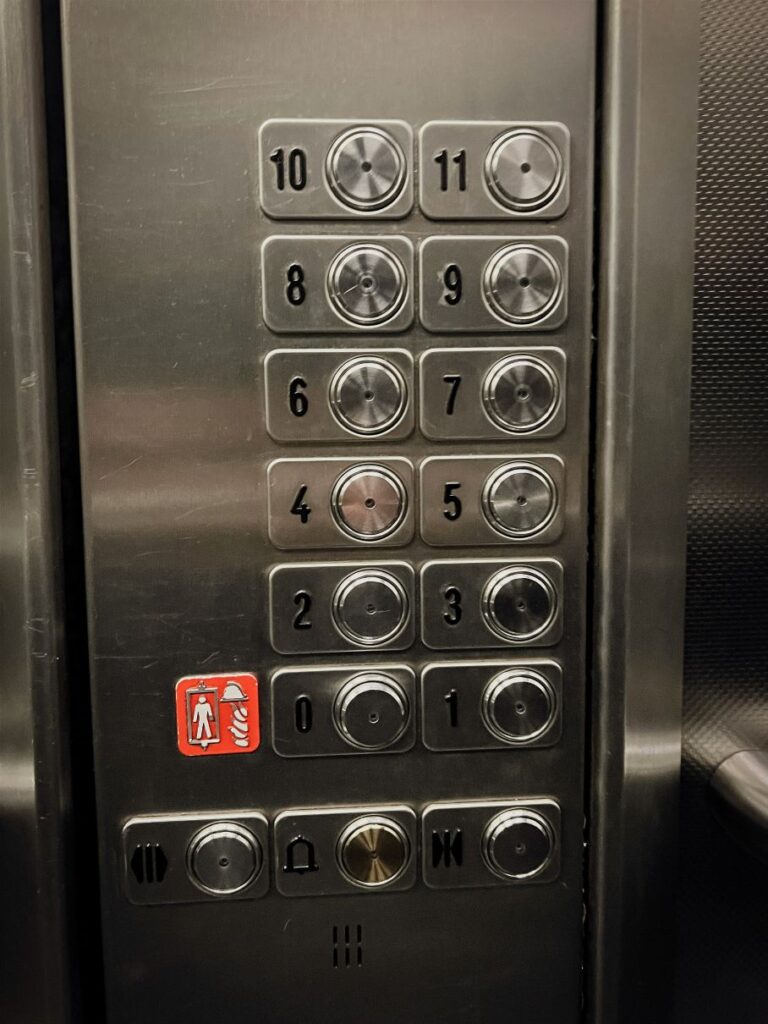
We’re not just talking about office telephones. Fire alarm panels, fax machines, elevator emergency phones, and other building systems may still depend on copper POTS (Plain Old Telephone Service) lines.
As these networks are retired, businesses need to understand which of their building systems could be affected.
1. Know What’s Still Connected to Copper
Many businesses have already moved their everyday telephone service to modern technology, including Hosted VoIP.
But what about the systems operating behind the scenes?
Elevator emergency phones, fire alarm panels, and certain monitoring equipment may still use traditional copper telephone connections. Before making changes, businesses should identify which systems rely on these lines and whether their existing equipment supports newer communication methods.
2. Life-Safety Communication Requires More Than a New Connection
Replacing a copper telephone line isn’t always as simple as switching to an internet or cellular connection. Fire alarm and elevator communication systems have specific operational and safety requirements. Any replacement must work with the existing equipment and meet applicable codes.
Businesses should consider equipment compatibility, backup power, connection reliability, and communication with emergency personnel or monitoring centers.
The goal isn’t simply to replace an outdated telephone line. It’s to make sure critical communication systems continue to function when they’re needed.
3. Plan Your Building’s Communication Infrastructure Together
This brings us back to our October focus on safety, awareness, and preparedness. Paging and audio systems, emergency communication equipment, telephone services, and network infrastructure may serve different purposes. But they all contribute to the emergency building communication.
When businesses evaluate these systems together, they can identify potential problems before making upgrades or replacing existing services.
Planning ahead also creates an opportunity to understand which technology needs to change. This planning will also tell us what can remain in place, and how different systems depend on one another.
Prepare Now, Not When Your Copper Service Ends
Copper telephone networks aren’t disappearing everywhere overnight. However, the transition is already underway, and waiting until a carrier announces changes to your service can limit your options.
At BizVox Communications, we look beyond individual products to understand how your building’s technology works together.
From Hosted VoIP and managed services, to wiring, paging and audio systems, our local team helps Charleston businesses plan communication infrastructure that supports their everyday operations.
If you’re unsure which systems in your building still rely on traditional copper telephone lines, let’s start with a free consultation. Complete our Request A Quote form or contact us at sales@bizvox.net or 843-628-0860. We will take a look at what you’re using today and determine whether there’s a better way to keep your business connected.